Choosing equipment for laser cleaning applications
The same unwanted layer can behave differently on different substrates. Start with what must be removed, what must stay intact and whether the part has narrow contours or inaccessible edges. Rust, oxides, paint, adhesive and production residues need separate assessment even when they occur on one component.
A surface that will be coated, bonded or welded has a different acceptance criterion from a tool that must return to production. Consider the next operation, the area to be treated and how the result will be checked. A photographed sample or a process trial can clarify uncertain combinations of material and residue.
Laser applications at a glance: task, suitability, limits
Each of the five applications has its own page with figures, sources and limits.
Rust removal
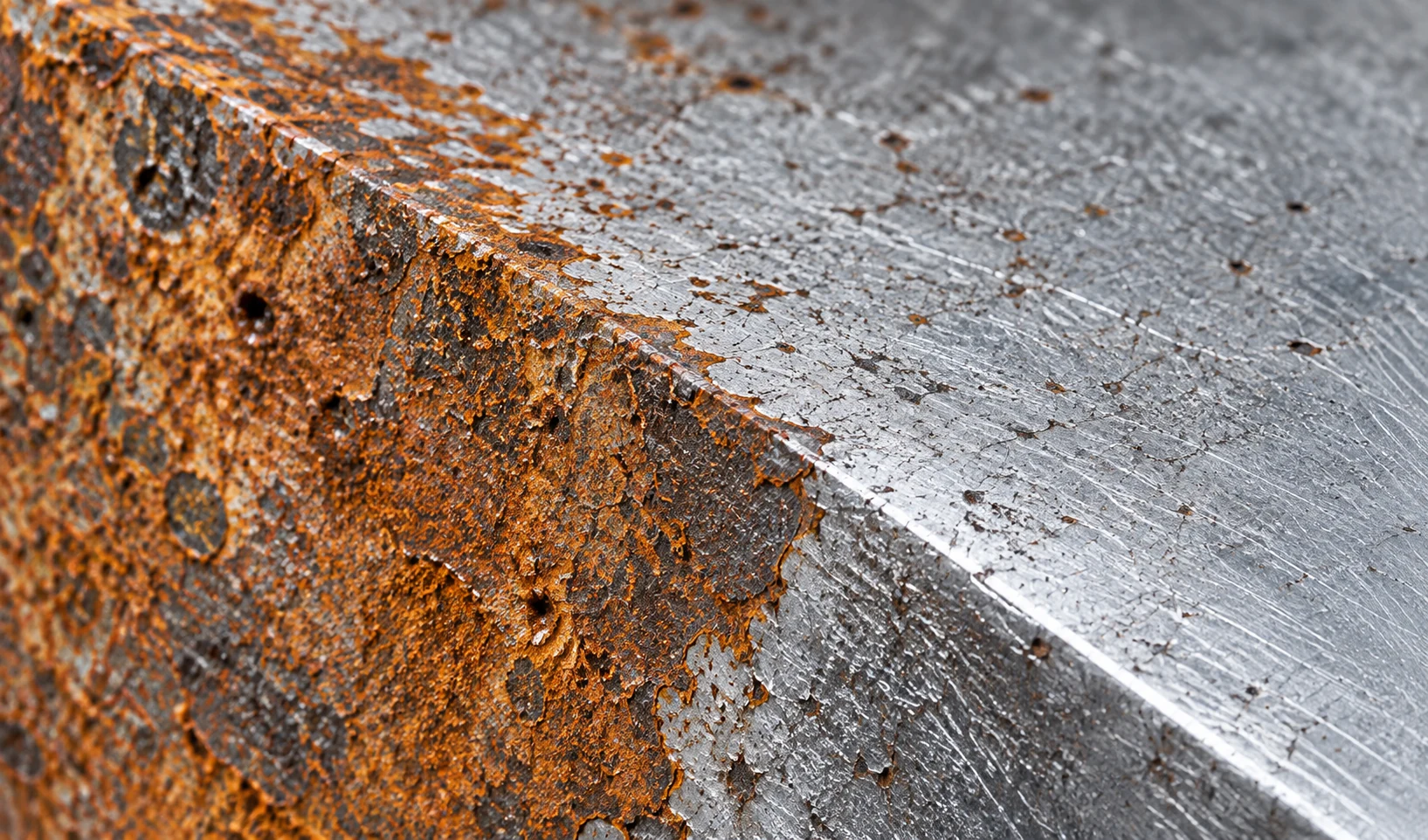
The laser removes the rust layer, and with the right settings the steel underneath stays in place. That pays off where the component itself must not suffer: molds, mating surfaces, single spots on installed machines and the joint area before welding. Firmly adhering mill scale does not come off economically, and on very large areas blasting is faster. Old rust often hides an old protective coating such as red lead, whose lead enters the fume when it is removed, so extraction is part of the job. Figures on area rates and protection after rust removal are on the page laser rust removal.
Paint removal
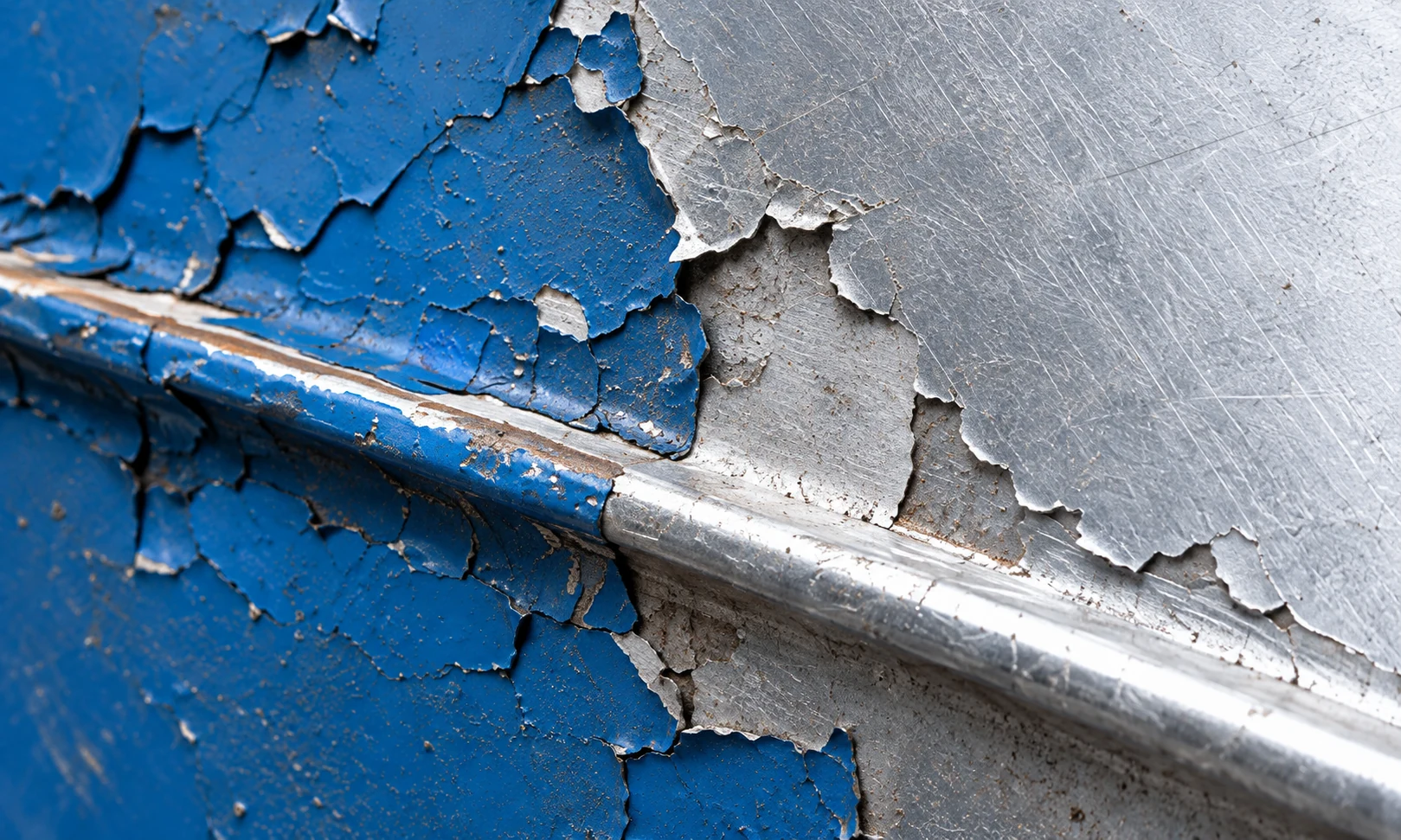
Paint absorbs the light and is removed layer by layer. The depth can be controlled: if wanted, only the topcoat goes and the primer stays. A partial area needs no masking, because the edge is sharp. The thicker the coating, the more passes and time it takes; very thick, multi-layer old paint is possible but slow. Old paint should be tested for hazardous substances before work starts. The page laser paint removal shows which coatings are documented.
Surface preparation
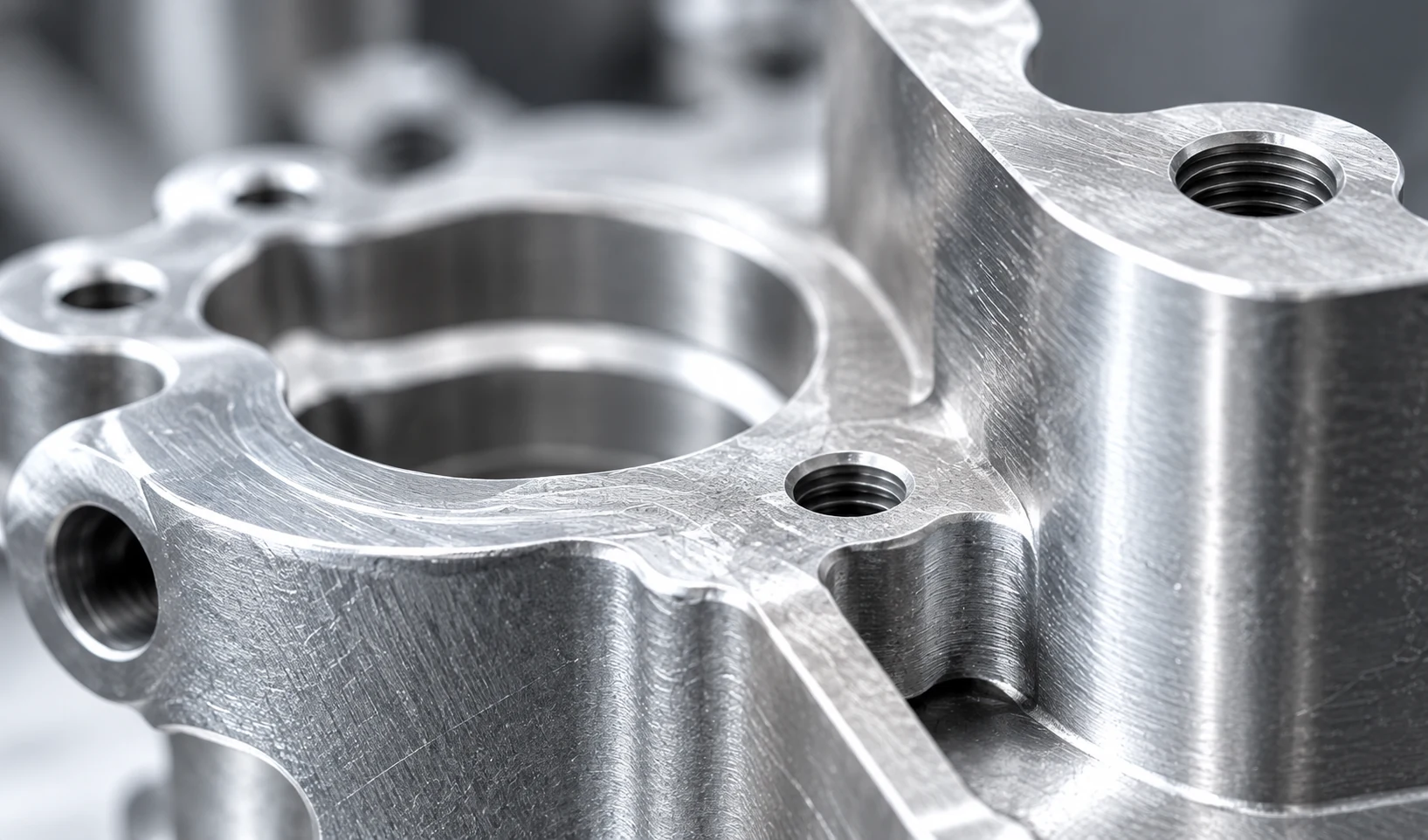
Before bonding, coating or welding, the laser takes oil, release agents and oxides off exactly the spot that will be joined. It acts only a few micrometres deep. In a research project on aluminium, a bond that was only degreased lost about 70% of its strength after ageing, the laser-pretreated one 14%. The process is not meant for thick layers or bores, because the beam needs a clear line of sight. The next process sets the target. Bonding, coating and welding are treated one by one on the page laser surface preparation.
Mold and tool cleaning
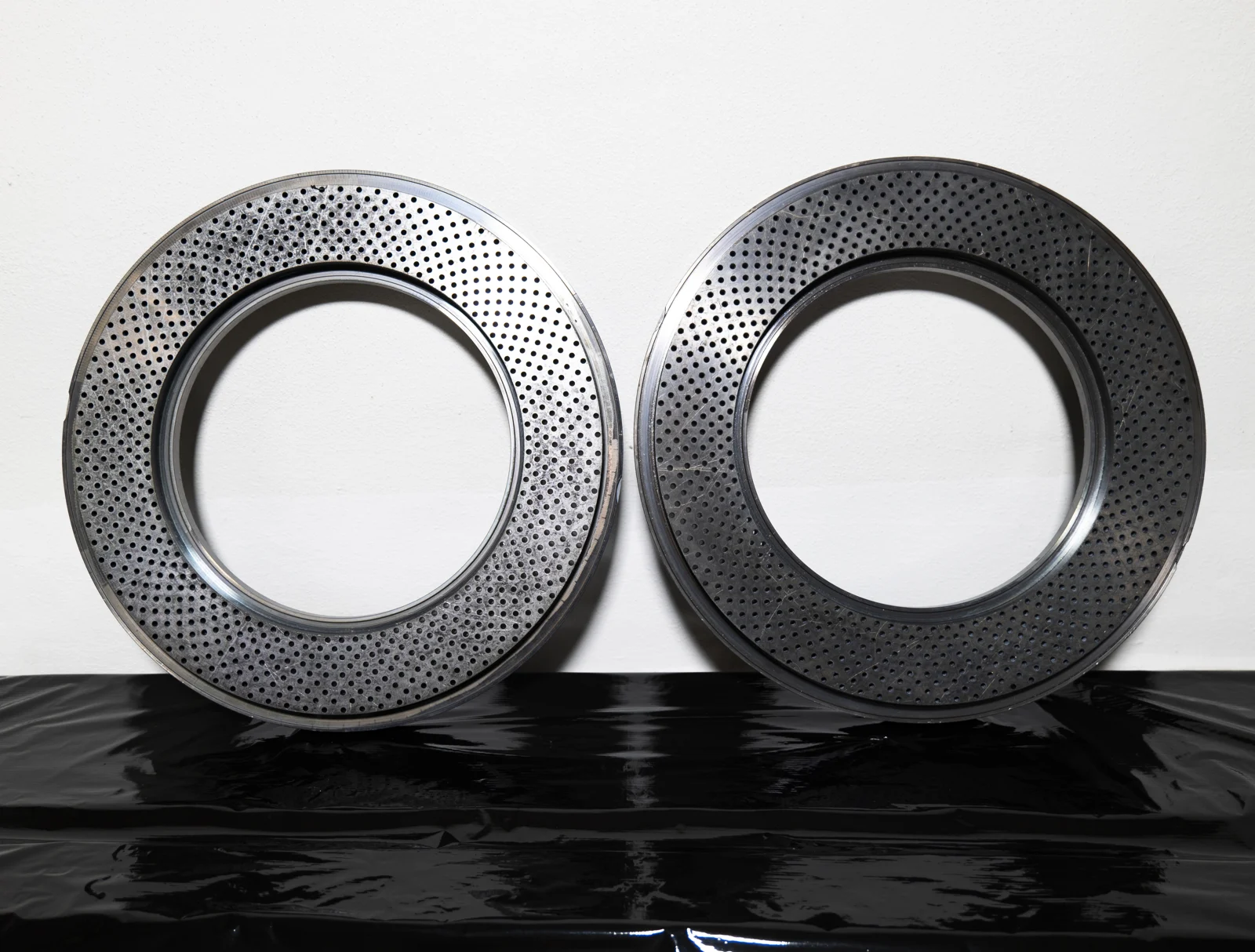
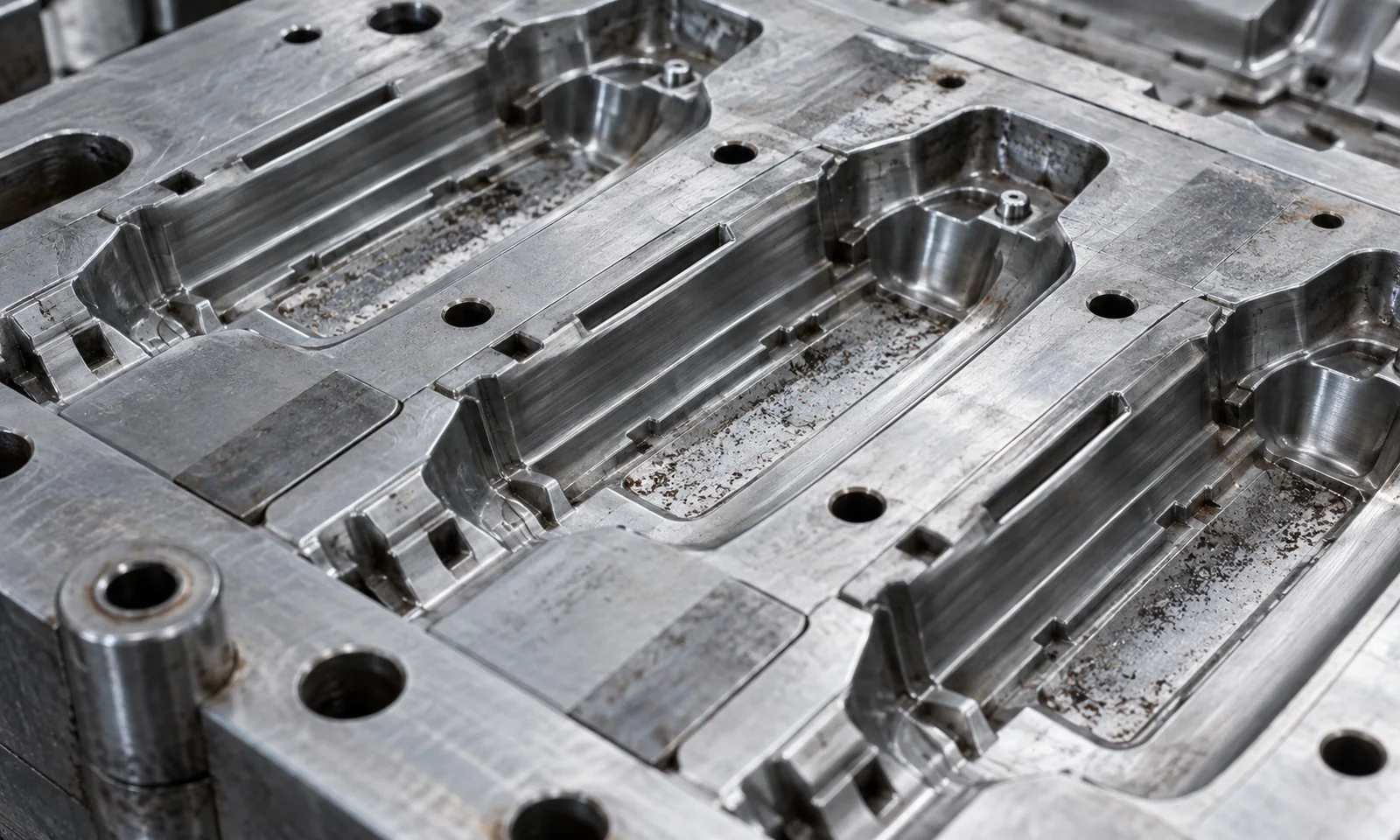
Product residues, release agents and deposits stay behind in molds. The laser removes them without attacking the contour. Blasting, by contrast, rounds off fine engravings, and abrasive clogs vents. The process is best documented for tyre molds; for injection molding the data are thinner. High-gloss polished and electroformed nickel molds can change their gloss level, and chromium-plated molds leave only a narrow window. A trial on a sample part is therefore advisable. The page laser mold cleaning shows which molds suit the process.
Weld cleaning
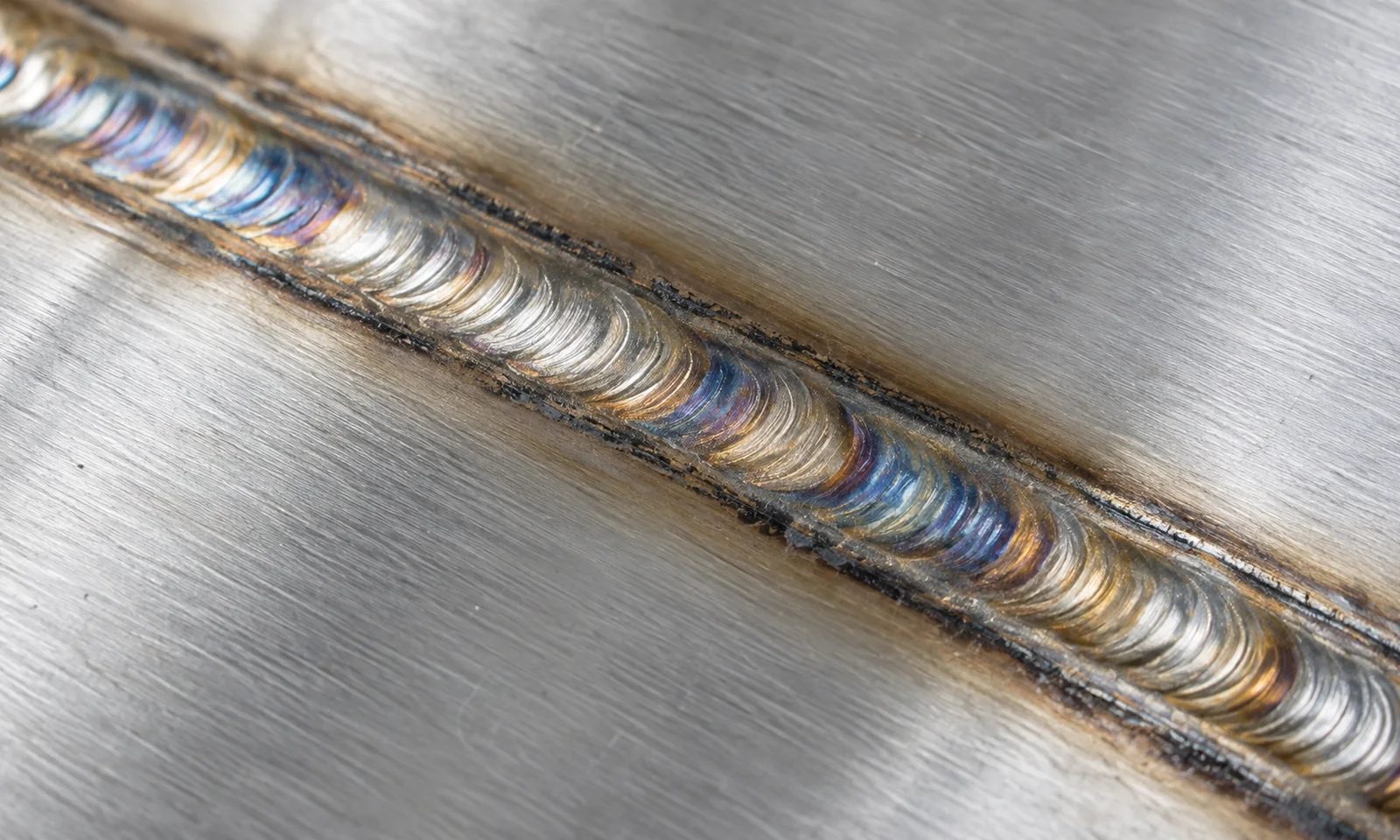
Heat tint forms next to welds on stainless steel, in yellow, brown or blue. The laser removes it without acid and without wastewater. That is not proof of passivation: where corrosion resistance is required, a test is advisable, and pickling remains the benchmark. In one study on aluminium, cleaning before welding cut the porosity of the weld from 10 to 80% to below 0.5%. Pickling, brushing and laser are compared on the page laser weld cleaning.
Where to start
Five details assign your task to an application and narrow down the power class:
- Name the layer to be removed and estimate its thickness.
- Note the material underneath and what must not change on it.
- Record the area per job and how often the work comes up.
- Define what happens to the part after cleaning.
- Decide whether you work at a fixed workstation or at changing locations.
The buying guide goes through these points in order. Two photos describe the condition of rust most simply.
Where the applications end
Wood, stone and graffiti are separate applications with their own limits, and Laserkompass names no equipment selection for them. Within the five applications above the same holds: the beam needs a clear line of sight, and only a trial shows whether your component suits the process. How the laser compares with sandblasting is covered in the guide laser cleaning vs sandblasting.
The equipment range shows the machines available for enquiry. The industry hub adds context for automotive work and industrial maintenance. If you plan several applications, describe each one in your equipment request and state which task matters most.