What the manufacturer publishes about ROD 2000 Bright+
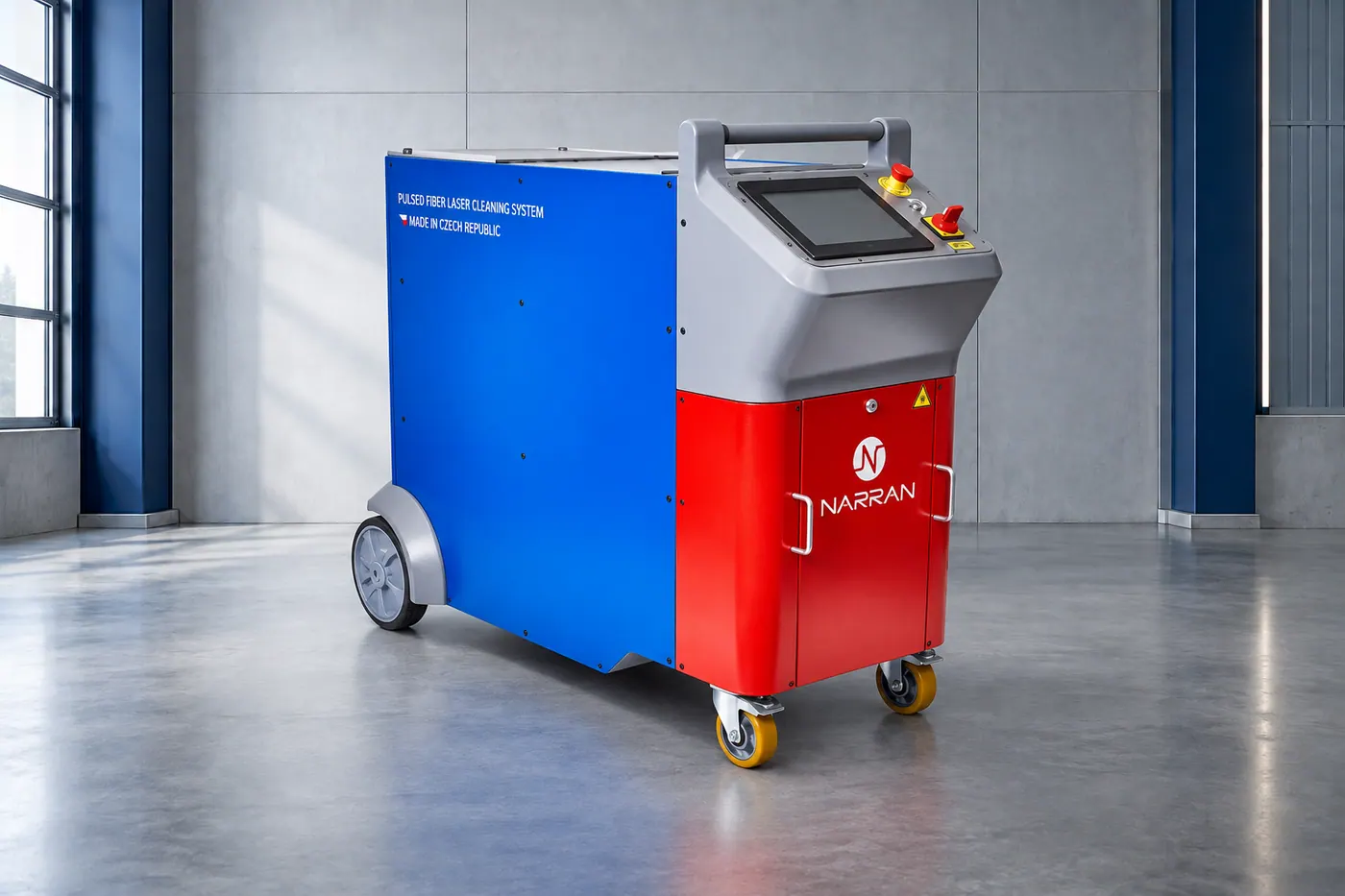
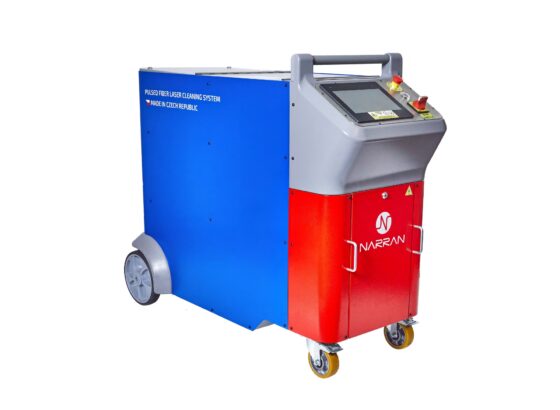
With 2000 W average power, ROD 2000 Bright+ and ROD 2000 are the most powerful pulsed machines in the range. It works at 1064 nm, is water-cooled and runs on a three-phase supply 3 + N + PE, 400 V, 50 Hz. It weighs 250 kg at 140 × 64 × 112 cm, the fibre is 10 m long, up to 100 m for special applications. The manufacturer lists robot interfaces for KUKA, ABB, UR and Stäubli.
ROD 2000 or ROD 2000 Bright+: a small difference on paper
On the 500 and 1000 W models the pulse duration clearly separates the variants. On the largest machine the gap is small: the manufacturer gives pulses of 25 to 100 ns for ROD 2000 and 20 to 100 ns for ROD 2000 Bright+. Output, weight, dimensions and supply are the same.
The published data alone therefore does not show which variant suits your part better. Ask for the quotation to state in writing how the offered Bright+ configuration differs from ROD 2000 and which settings would be used on your layer.
What 2000 W are needed for
This power class pays off on large areas and high volumes: steel construction, tanks, ship and rail vehicle parts, large tools or lines where a robot cleans part after part. For single components and changing work sites, lighter machines are usually more practical. An overview of the classes from 100 to 3000 W is on the laser cleaning machines page, and what output costs is on the price page.
At 2000 W the demands on fume extraction, shielding and the organisation of the laser area also grow. The rules are summarised on the laser safety page.
What we need for a quotation
Describe the material, the layer and the area per day, the size of the parts and whether cleaning is done by hand, with a gantry or with a robot. State the available power supply and the planned installation site. If you want to compare ROD 2000 and ROD 2000 Bright+, ask about both variants in the same enquiry.